The Science of Vulcanization in Heavy Duty Truck Tire Repairs
When it comes to heavy duty truck tire repairs, one method stands out for its strength and reliability vulcanization. This process has been trusted for decades in the truck repair industry because it can bring damaged tires back to life and help fleets stay safe on the road. If you run a tire repair shop or handle truck repair and maintenance, knowing how vulcanization works can save you time, money, and a lot of headaches.

What Is Vulcanization and Why Is It Used in Heavy Duty Truck Tire Repairs?
Vulcanization is a process that makes rubber stronger and more durable. In heavy duty truck tire repairs, the damaged part of the tire is cleaned, filled with raw rubber, and then heated under pressure. This heat changes the rubber at a molecular level, making it tougher, more flexible, and longer lasting.
For diesel truck tire repair, semi truck tire repair, and commercial truck maintenance, vulcanization is a smart choice. Instead of doing a quick patch that might not last, this method gives the tire back its original strength. It’s also an important part of preventive maintenance because it helps avoid expensive tire replacement and keeps trucks rolling longer.
The repaired area often becomes almost as strong as the rest of the tire, making it a safe and dependable option for long-haul drivers.
How Vulcanization Works in Heavy Duty Truck Tire Repairs
Here’s how the process usually works:
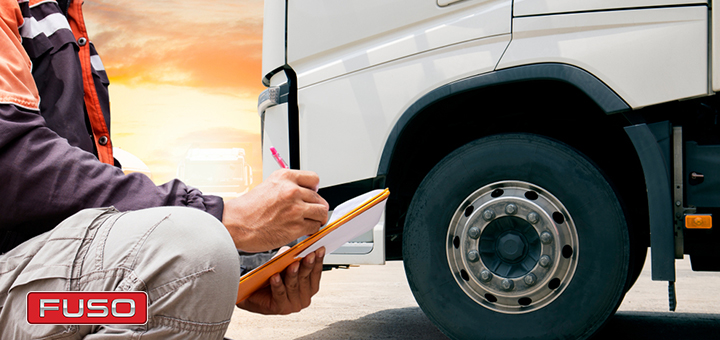
Inspect the Tire – The technician checks for holes, cuts, or other damage.
Clean the Area – Damaged rubber is removed so the surface is ready.
Add Raw Rubber – New rubber is placed where the damage was.
Apply Heat and Pressure – This bonds the new rubber to the old.
Finish and Check – The area is smoothed out and inspected for safety.
During the heating stage, chemical bonds form inside the rubber. These bonds make the repaired part strong and flexible, which is why vulcanization is used in tire repair and replacement services.

Why Vulcanization Is a Good Choice for Heavy Duty Truck Tire Repairs
Longer Tire Life – More miles before a replacement is needed.
Lower Costs – Repairs are cheaper than buying a new tire.
Better Performance – The tire keeps its grip and balance.
Eco-Friendly – Fewer tires end up in landfills.
In tire service in Texas, vulcanization is part of many fleet maintenance plans. When combined with wheel alignment, clutch repair, and ABS brake system checks, it helps trucks run smoothly and safely.
Preventive Maintenance and Vulcanization
If you handle truck repair and maintenance for a fleet, catching small tire problems early is key. Vulcanization works best when the damage is found before it gets worse. A timely semi truck tire repair can prevent roadside breakdowns and costly towing bills.
Not every tire can be saved, though. If there’s major sidewall damage or too much wear, a replacement is the safest choice. A visit to a trusted tire repair shop will help you decide.
Choosing the Right Tire Repair Shop for Vulcanization
When picking a tire repair shop, look for:
Skilled technicians trained in tire balancing service and large truck repairs.
Experience in semi truck repair and general truck fix services.
Quality vulcanizing equipment that can handle heavy-duty tires.
It’s even better if the shop offers additional services like ABS brake system diagnostics and clutch repair, so you can get multiple jobs done at once.
Thoughts on Heavy Duty Truck Tire Repairs
Vulcanization is more than just a tire repair it’s a way to keep trucks moving safely and efficiently. In the trucking world, every mile matters. Therefore, adding vulcanization to your preventive maintenance plan can save money, protect your drivers, and reduce downtime.
If you’re in Texas, finding a reliable tire service can make all the difference. The right shop will help you decide whether to repair or replace, and keep your fleet ready for the road.
Comments
Post a Comment